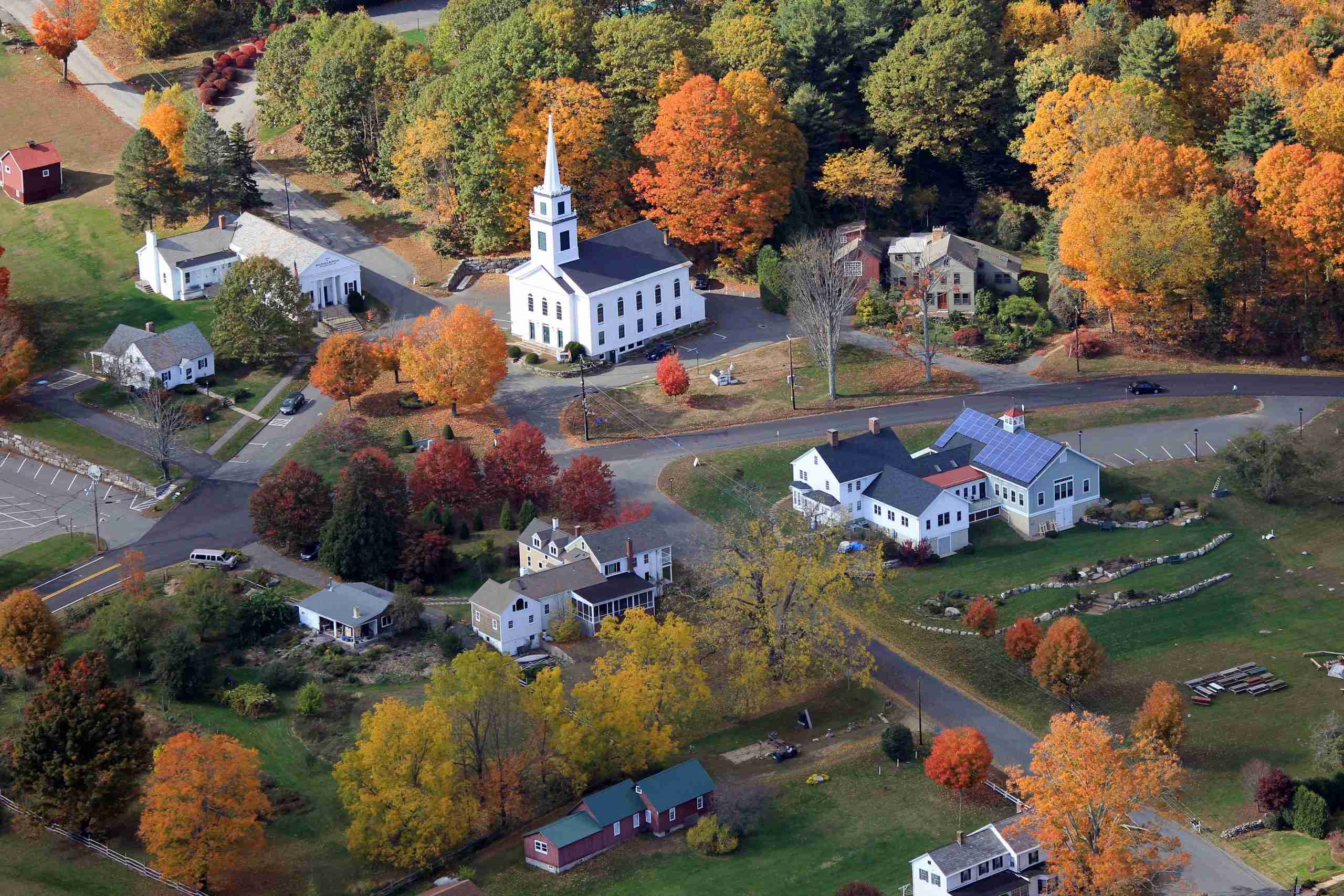
Westhampton, MA
The results were immediate for residents and staff.

Westhampton, MA Infrastructure Assessment
Summary
- 46 roadway miles scanned and analyzed in weeks, enabling faster street improvements for residents
- AI condition scores and a defensible repair plan moved Westhampton from reactive to proactive
- Data-driven budgets and transparent communication improved trust and sped up paving decisions
Problem
Westhampton’s public works team managed a spread-out local road network with patchwork records and occasional windshield surveys, leaving them unsure which roads to fix and when. Outdated and inconsistent data meant no accurate paving budgets and not sufficient information to make informed decisions and act fast to serve community needs. At the same time, leaders struggled to show efficient use of taxpayer dollars and faced frequent why not my road questions at town meetings without a transparent, defensible methodology.
Solution
Westhampton selected Cyvl to rapidly survey every public roadway using vehicle-mounted LiDAR, high-resolution sensors, and GPS, capturing continuous pavement conditions across 46 miles. Within weeks, the Infrastructure Intelligence platform applied AI to produce objective condition scores, segment-level distress mapping, and prioritized repair lists aligned to realistic work windows and budgets. Delivered on September 29, 2025, the town received defensible plans, dashboards, and exportable reports that became a single source of truth so leaders could make better decisions and take action faster.
Impact
The results were immediate for residents and staff. With detailed, actionable pavement condition data for 46 miles, Westhampton built a comprehensive, data-driven paving program in a fraction of the usual time. Because findings and plans arrived in weeks instead of months, crews scheduled work sooner, and the town set clear timelines and tradeoffs the community could understand.
- Faster pothole and patch response, shrinking the time between a report and a fix
- Smoother, safer travel for school buses, emergency responders, and daily drivers as failing segments are addressed earlier within a comprehensive plan
- Fewer 311 calls and smoother town meetings because leaders can show maps, scores, and the rationale for sequencing
- Budget requests are easier to defend and more likely to be approved with transparent condition evidence and cost scenarios
- Budget allocation, public communication, and work scheduling became straightforward with trusted data guiding each step
- Contractors mobilize efficiently and projects start on time, turning data into visible street improvements faster for residents


-%20logo%20(unpadded).png.png)