Cyvl

Manifesto

Our nation is suffering from infrastructure amnesia.

At 18, I worked on a public works road crew in Southbury, Connecticut. We fixed what residents complained about because the town had no current record of its streets.

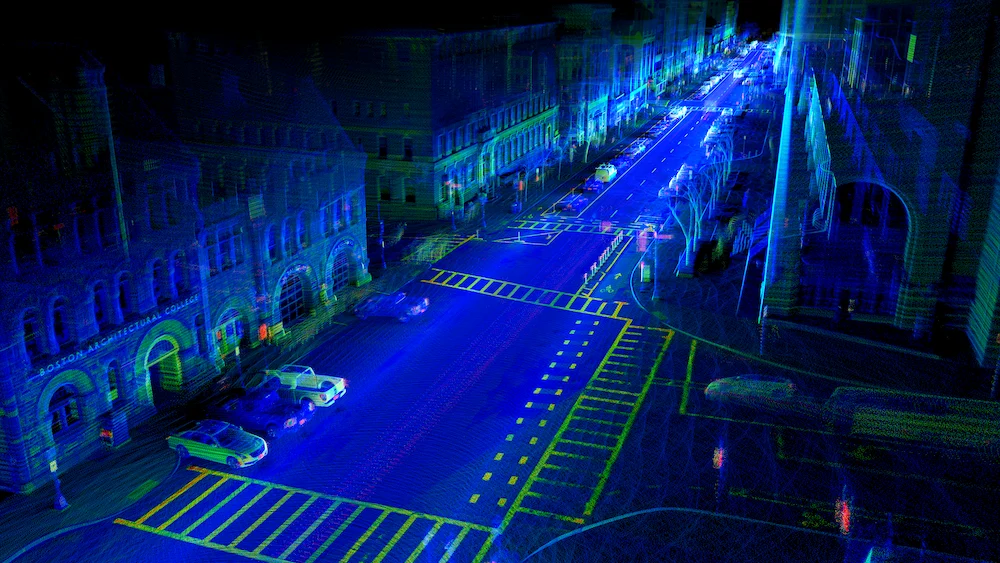
Then LiDAR, cameras, and computer vision became affordable and practical. The robotic stack behind self-driving cars could be repurposed for self-maintaining roads: give cities an always-fresh view of what they have and what needs fixing, so crews can act sooner.

How come physical infrastructure doesn't have an API?

For many cities, the best “system of record” is a stack of five-year-old three-ring binders. They need to see what's happening with their infrastructure at any given moment.

01

Our mission

Help cities run better than ever before, with sensors and decision-making software.

02

The problem

Most streets, signs, and pipes haven't been looked at in years, and nobody remembers which ones. The people who did remember are retiring. So decay stays invisible until it becomes a pothole, a broken main, or a failed bridge.

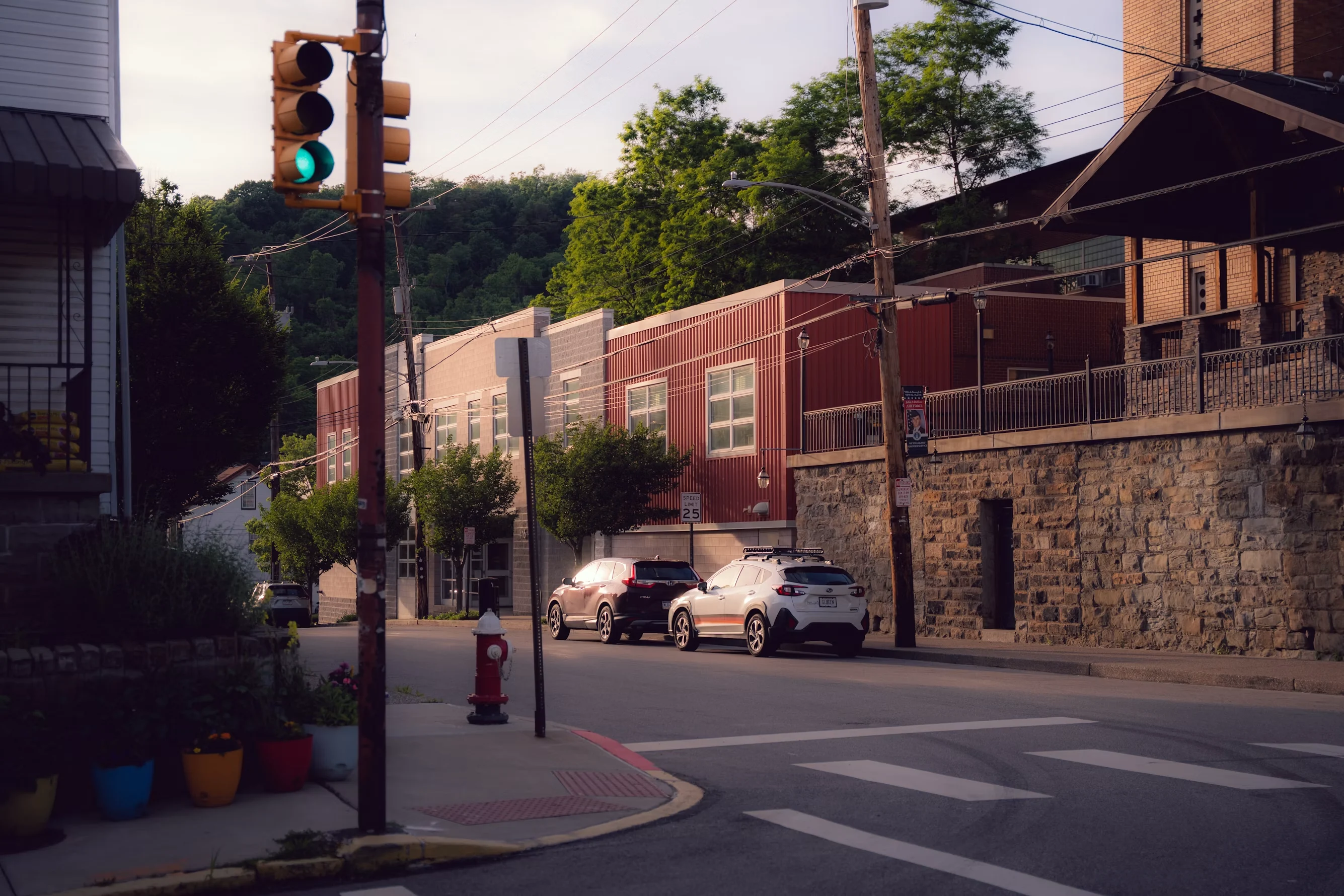
Street corner with a green traffic signal, crosswalk, and parked cars
03

What forgetting costs

Taxpayer dollarsProblems get caught late, when they cost the most to fix.
SafetyPeople get hurt on streets nobody knew were dangerous.
EquityThe loudest neighborhoods get fixed first, and lower-income ones wait.
AccountabilityWhen no one knows what was done, no one can be held accountable.
04

We give your city its memory back

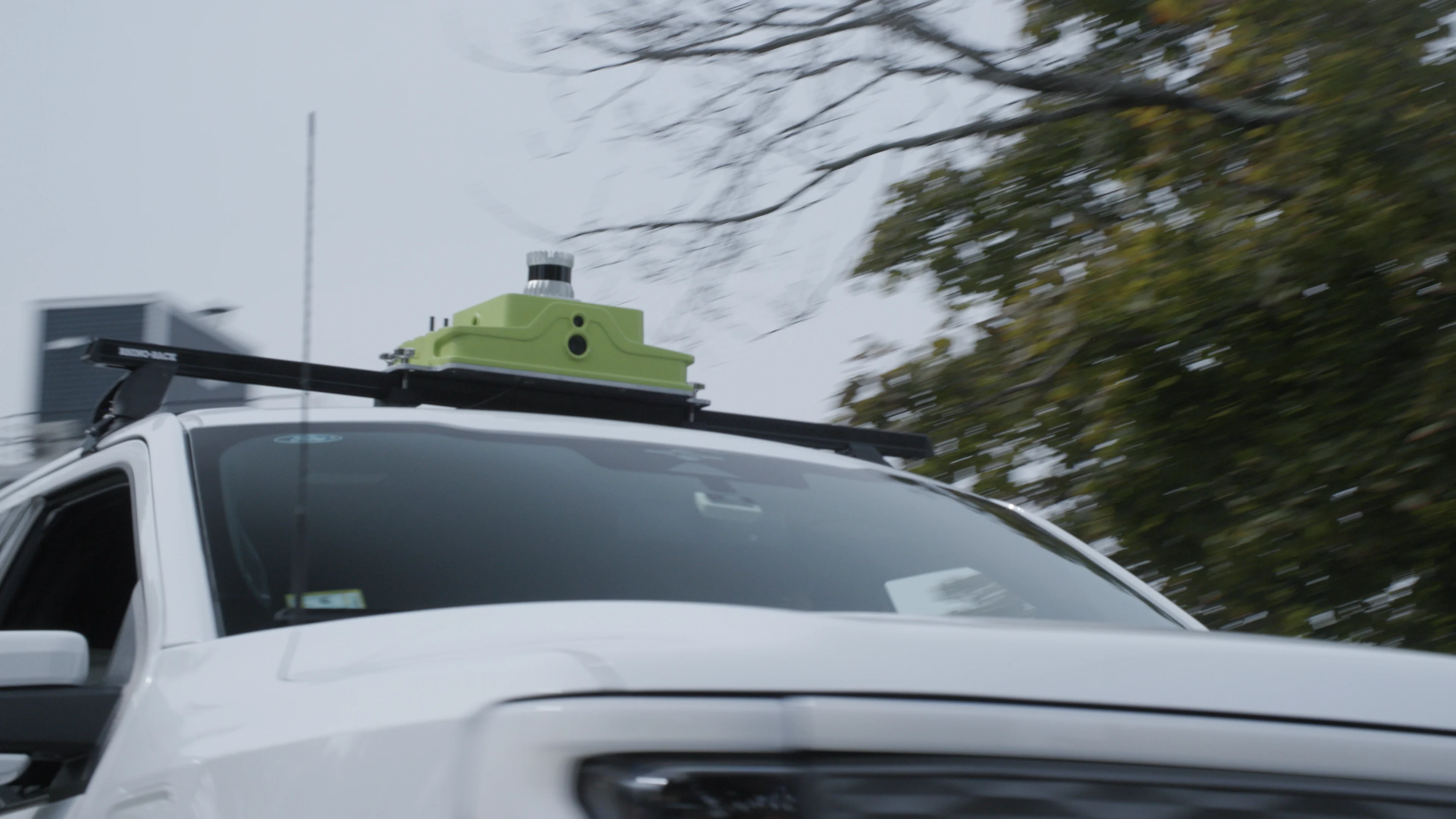
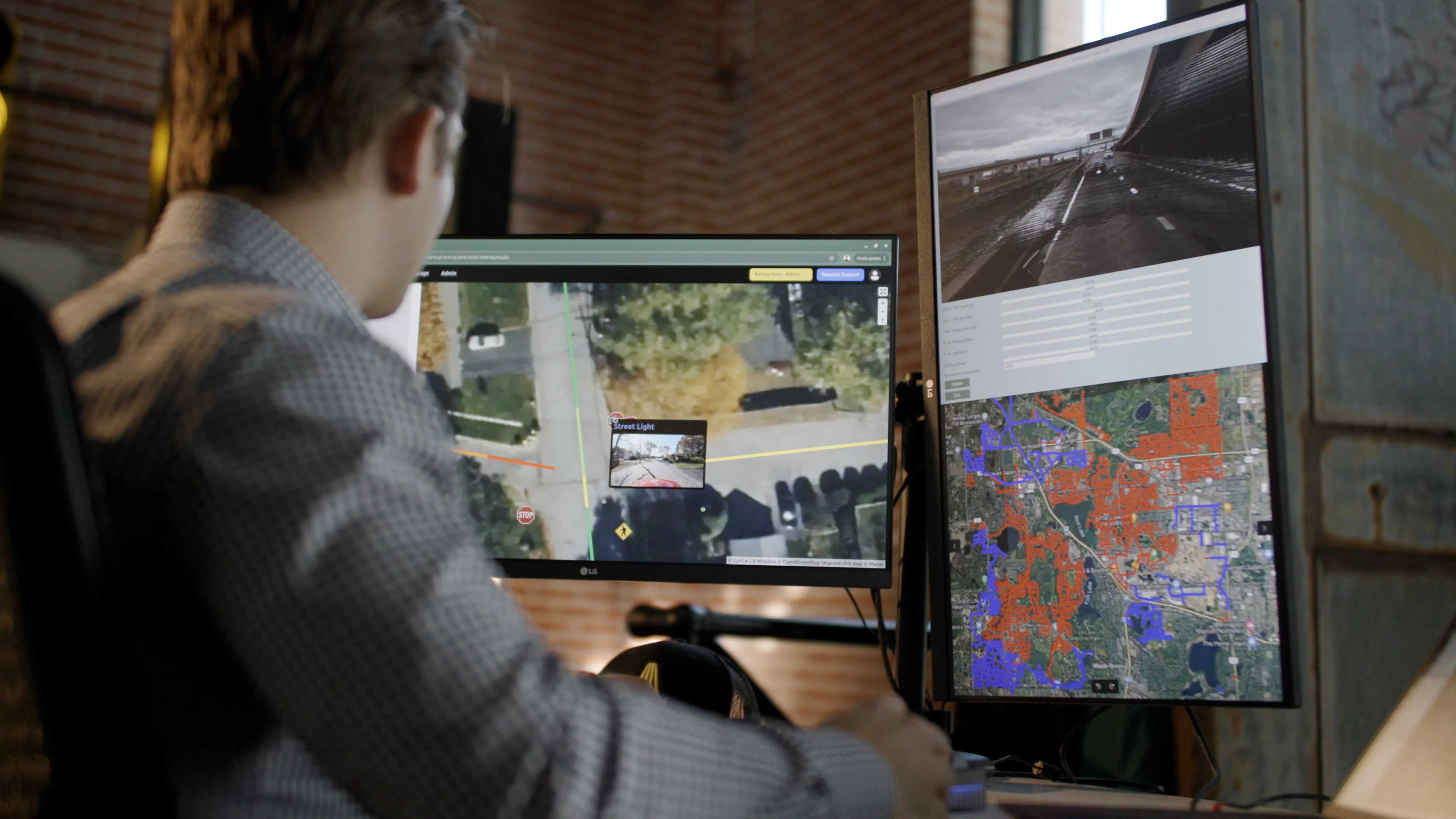
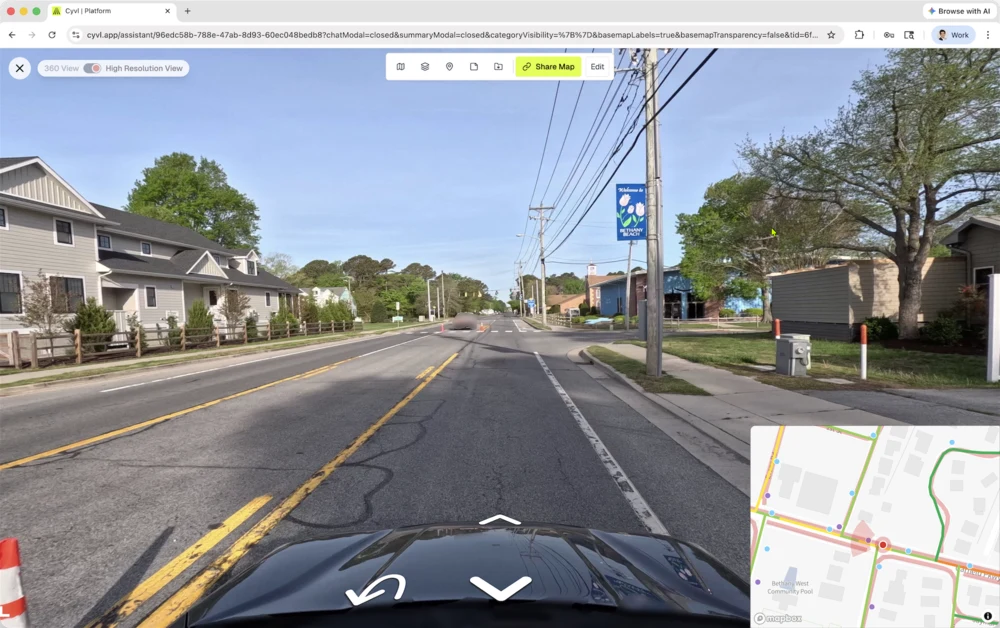
Sensors on city vehicles capture LiDAR and 360° imagery. Cyvl maps streets, sidewalks, assets, and their condition so teams can prioritize repairs and plan budgets.

05

Three steps to a city that always remembers

See Decide Act
SeeCapture streets, sidewalks, and assets
as city vehicles drive.
DecideUse current condition data
to plan repairs and budgets.
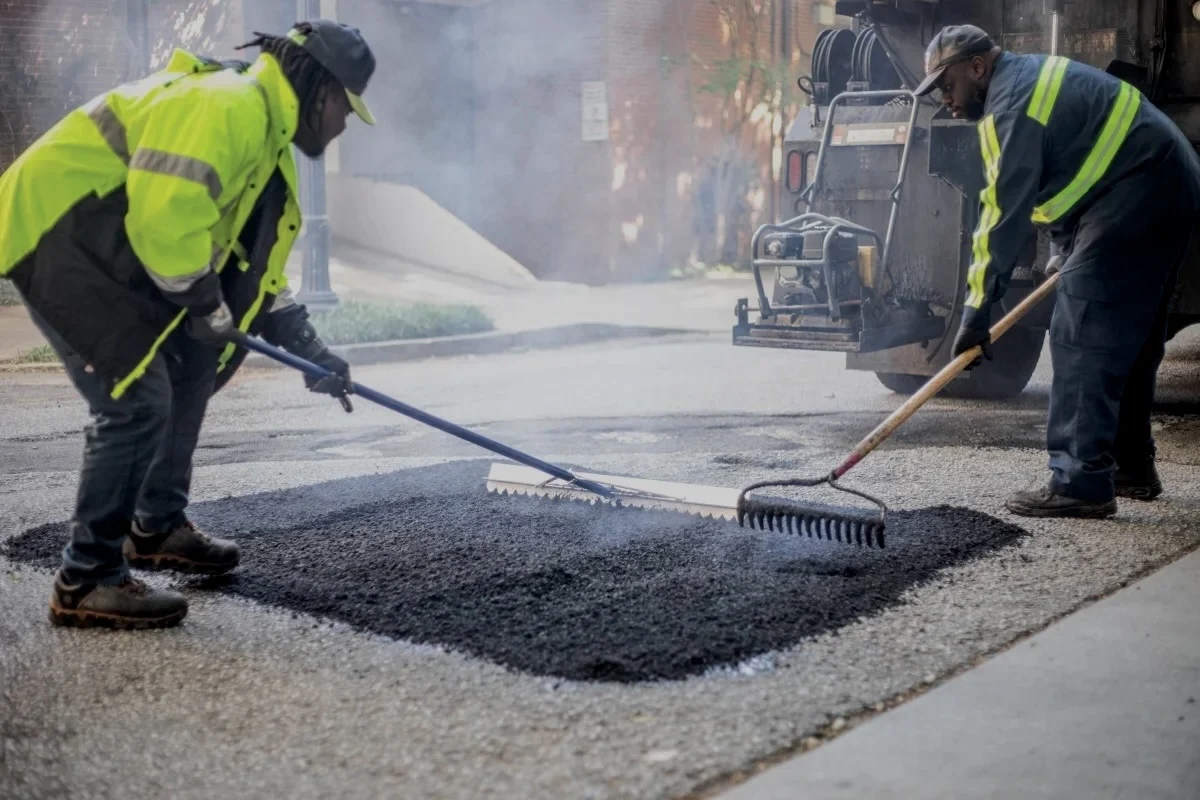
ActMake the repair, then capture again
to see what changed.
Cyvl sensor mounted on a city vehicle Engineer reviewing city streets and infrastructure data on screens Road crew spreading asphalt to repair a pothole
06

Already at work across America

Cyvl powers infrastructure decisions that millions of Americans rely on. Hundreds of US cities, including Atlanta, Nashville, Buffalo, and Green Bay, use the platform to understand their streets and assets.

07

Why us

Our team brings together hardware, geospatial intelligence, robotics, and civil engineering. Former city and federal transportation leaders work alongside us, and the National Center for Asphalt Technology at Auburn has validated our data.

Illuminated city streets and buildings seen from above at dusk

It's 2026. Your city shouldn't have infrastructure amnesia.

Daniel Pelaez

Co-founder and CEO, Cyvl

Let's talk.

00Days
00Hours
00Minutes
00Seconds

We've been building something for a long time.

On October 28, cities get something they've never had. Be the first to see it.